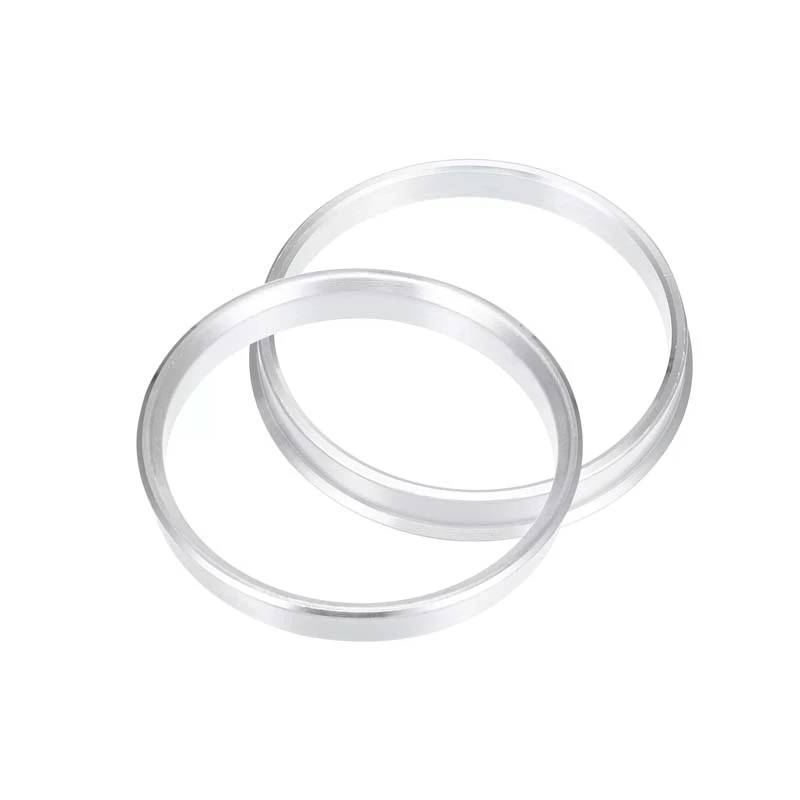
A Hub Center Ring is a small but important automotive component designed to solve one of the most common problems when installing aftermarket wheels: the difference between the vehicle hub diameter and the wheel center bore size. By filling this gap, a properly sized hub center ring helps achieve accurate wheel positioning, reduces unwanted movement, and improves driving comfort. This article explains how hub center rings work, why they matter, how to select the correct size, and how J&W Auto Parts provides reliable solutions for drivers, distributors, and automotive professionals.
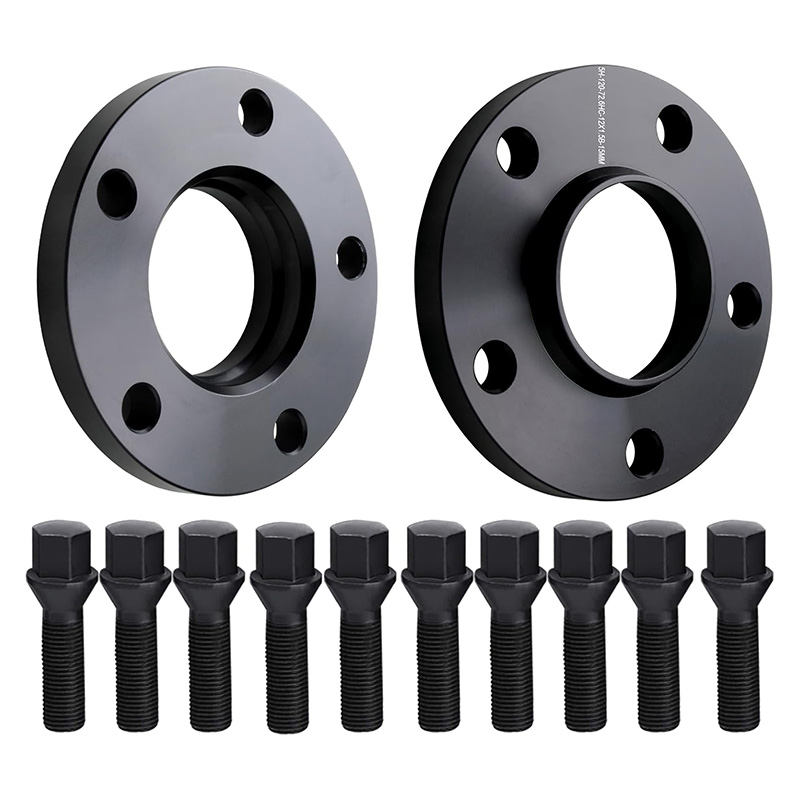
BMW owners often look for ways to improve their vehicle’s appearance, handling performance, and wheel compatibility. However, installing aftermarket wheels can create challenges such as incorrect offset, limited brake clearance, uneven wheel positioning, or poor fitment. BMW Wheel Spacers Adapter solutions provide an effective way to solve these problems by creating additional space between the wheel hub and the wheel assembly while maintaining proper installation standards.
Wheel Lug Bolts are small but critical components that directly influence wheel installation safety, driving stability, and vehicle performance. Although they are often overlooked during vehicle maintenance, choosing the correct wheel lug bolt with suitable thread specifications, seat design, material strength, and surface protection can prevent dangerous wheel-related problems. This article explains how wheel lug bolts work, why they matter, how to select the right type, and how professional manufacturers such as J&W Auto Parts provide reliable fastening solutions for automotive applications.
The three most common lug nut sizes are M12x1.5, M14x1.5, and M12x1.25 — the first number is the thread diameter in millimetres, the second is the pitch. But size alone isn't enough: the seat type (conical, ball, or flat) has to match your wheel too. Both must be right, or the nut won't hold.
Every modern Wrangler runs a 5x127 mm (5x5") bolt pattern with a 71.5 mm hub bore — but the thread is not the same. The JL and Gladiator JT use M14x1.5, while the JK uses 1/2"-20 UNF. Match your generation before you order, and choose a hub-centric spacer to keep the wheel running true.
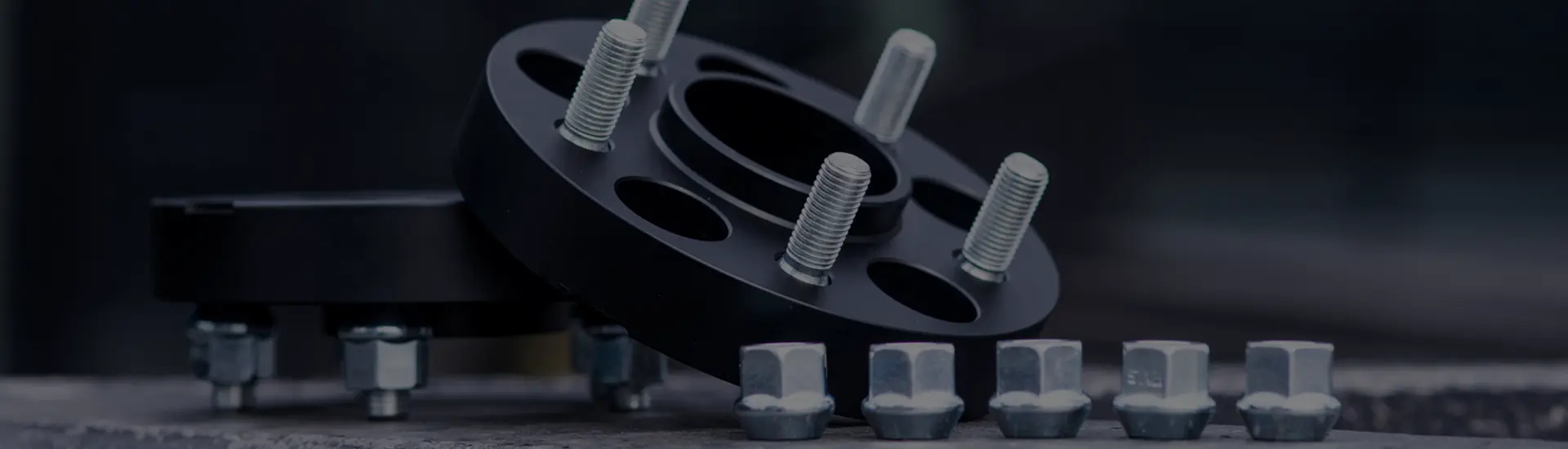
A hub-centric spacer has a machined lip that sits on your vehicle's hub, so the hub centers the wheel and carries the load. A lug-centric spacer skips that lip and leans on the lug hardware to do both. Hub-centric is the safer, smoother setup — but a lug-centric spacer can run fine when it's paired with the right hub rings and torqued properly.
We use cookies to offer you a better browsing experience, analyze site traffic and personalize content. By using this site, you agree to our use of cookies.Privacy Policy


 19 2026-08
  17 2026-08
  13 2026-08
  11 2026-08
  11 2026-08
  09 2026-08