
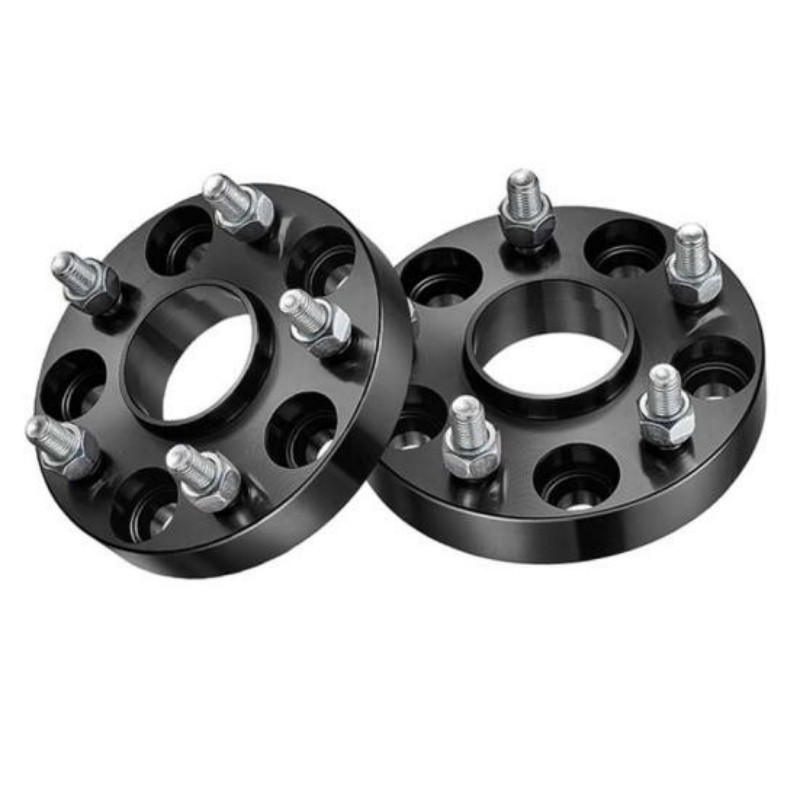
To buy wheel spacers in bulk, send one specification sheet per fitment. Include PCD, vehicle hub diameter, wheel center bore, thickness, fastening system, thread and seat details, finish, branding, packaging and forecast quantity. Request a drawing and sample approval before the production lot, then put the accepted dimensions, inspection records and packing standard into the purchase order.
Distributors searching for wholesale wheel spacers usually have two jobs at once: choose a sellable fitment range and reduce the risk of receiving parts that do not match the approved sample. The lowest unit price does not resolve an undefined center bore, an incompatible seat, missing wheel pockets or packaging that cannot survive distribution.
This buyer guide covers the purchasing workflow. Use the wheel spacer fitment guide for the complete technical sequence, the measurement guide for vehicle data, and the slip-on vs bolt-on comparison when selecting the attachment system.
1. Decide whether you need a standard or custom order
A standard catalogue fitment can use an existing drawing, tooling and packing format. A custom OEM order changes one or more controlled features: PCD conversion, center bore, wheel-side lip, thickness, thread, hardware, color, logo, part number or retail box. Mark the order type at the top of the RFQ so the supplier does not quote a familiar-looking substitute.
| Order path | Best for | Buyer should provide | Approval focus |
|---|---|---|---|
| Existing specification | Testing a proven application or replenishing a known SKU | Supplier part number, vehicle list, finish and quantity | Drawing revision, current sample and packaging |
| Private-label version | Brand owners using established geometry | Logo file, marking position, label and carton artwork | Branding, color, barcode and pack contents |
| Custom fitment | New application, PCD conversion or special wheel/hub combination | Measured interface data, target geometry and hardware | Fitment drawing, physical sample and vehicle validation |
Different model years, trims, axles and brake packages may require different hub geometry or clearance. Quote and approve each controlled specification separately.
2. Build a fitment data pack before asking for price
The RFQ should describe both sides of the spacer: the vehicle interface and the wheel interface. A vehicle name is a search clue, not a complete manufacturing specification. Record the axle, wheel, tire and brake configuration that the part is expected to fit.
- Application: make, model, year range, trim, axle and any known brake or suspension package.
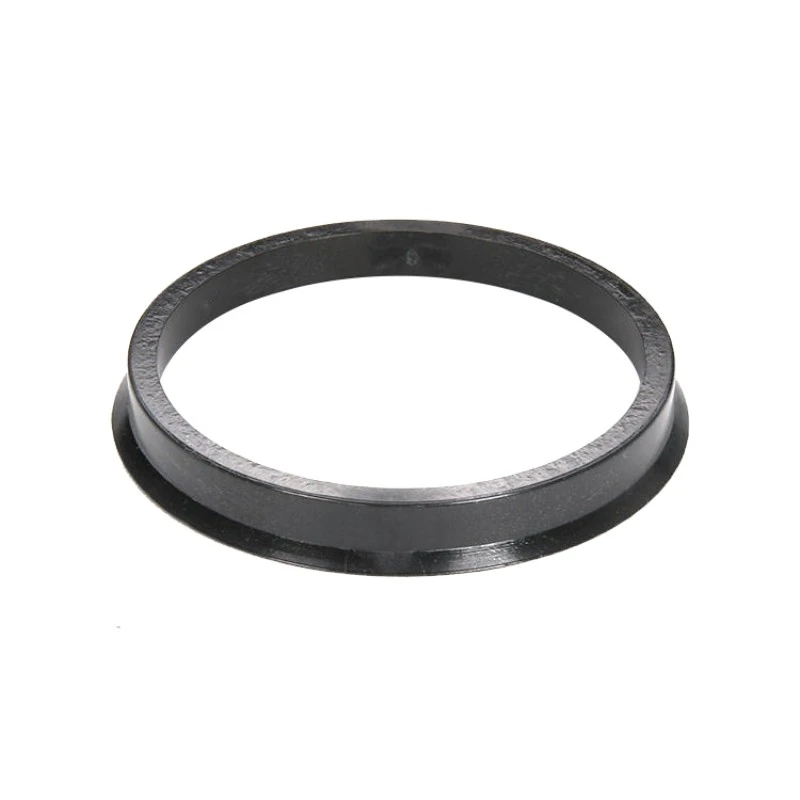
- Hub interface: PCD, vehicle hub diameter, hub-lip height, base chamfer and mounting-face condition.
- Wheel interface: center bore, back-pad geometry, pocket depth, width, offset and tire size.
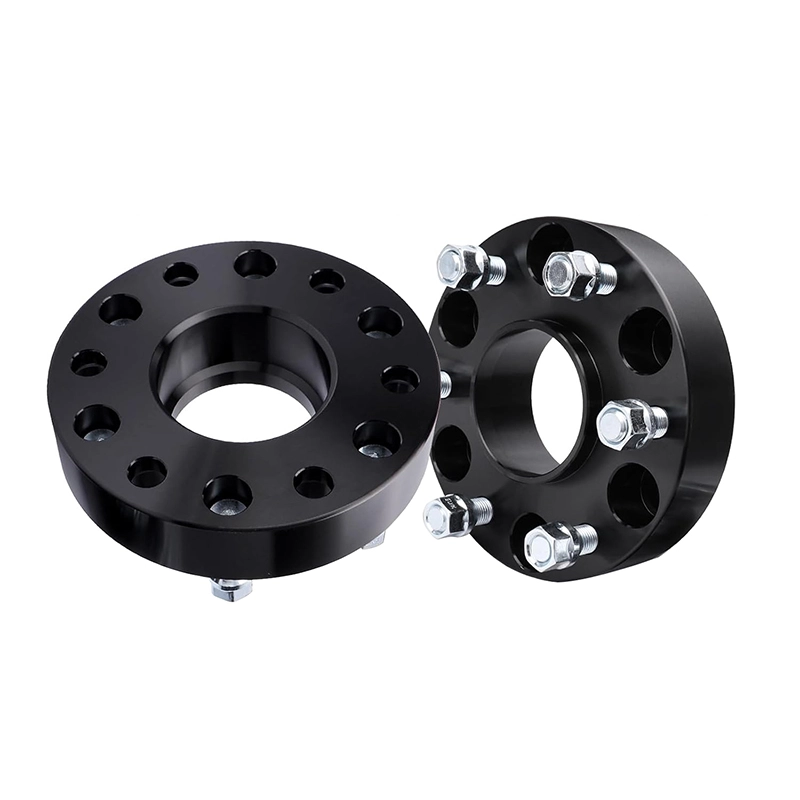
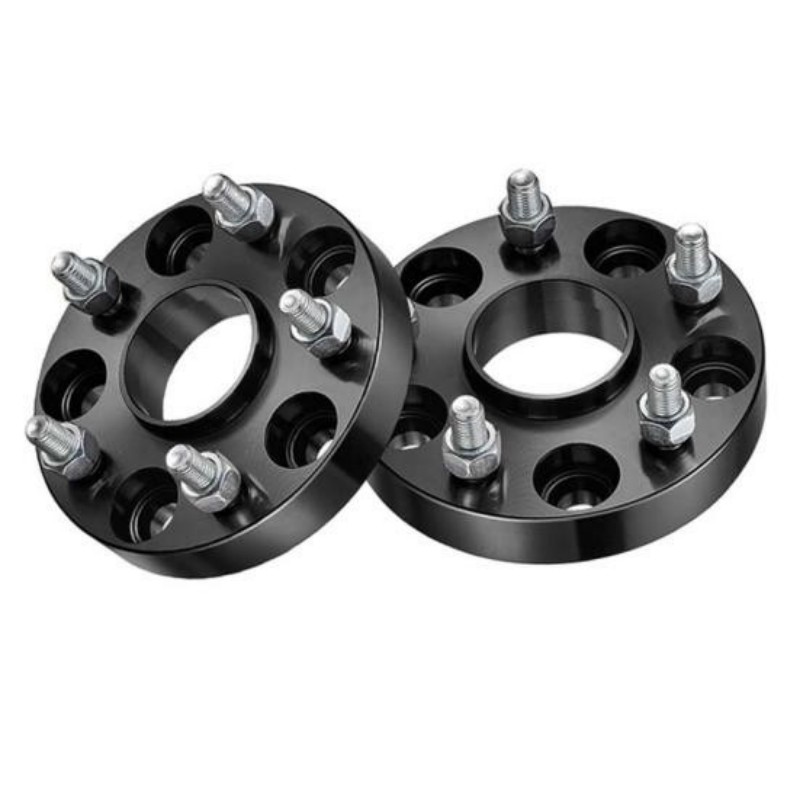
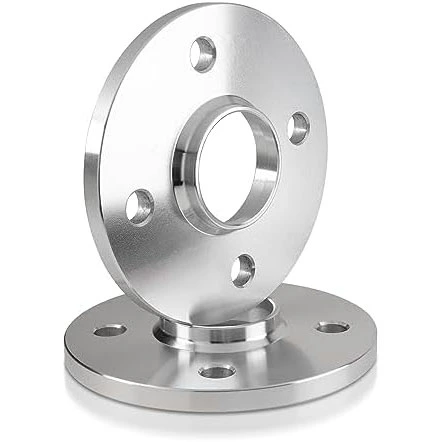
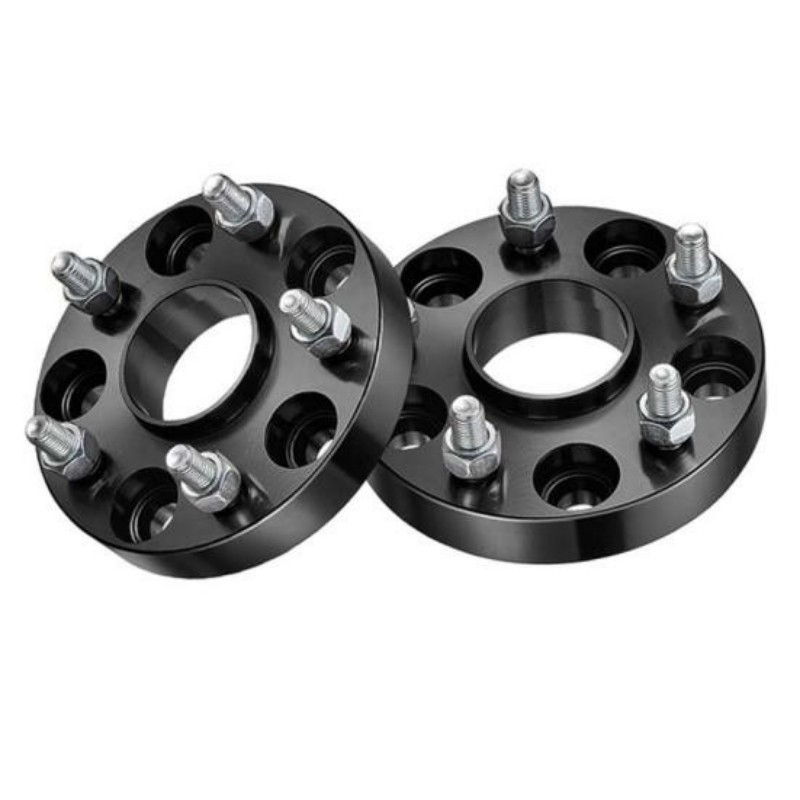
- Spacer geometry: slip-on or bolt-on, thickness, wheel-side lip, outer diameter and any PCD conversion.
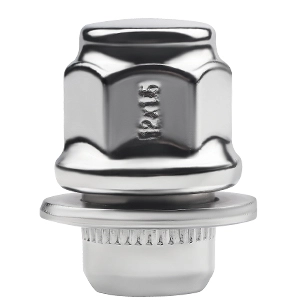
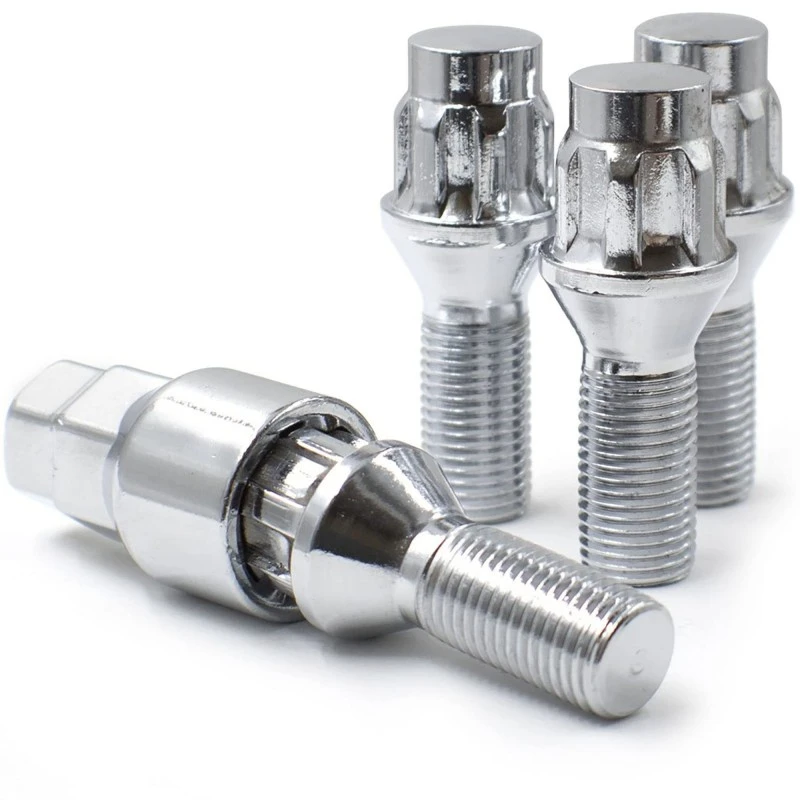
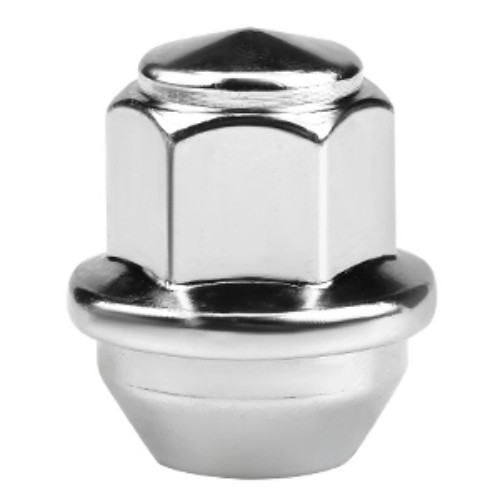
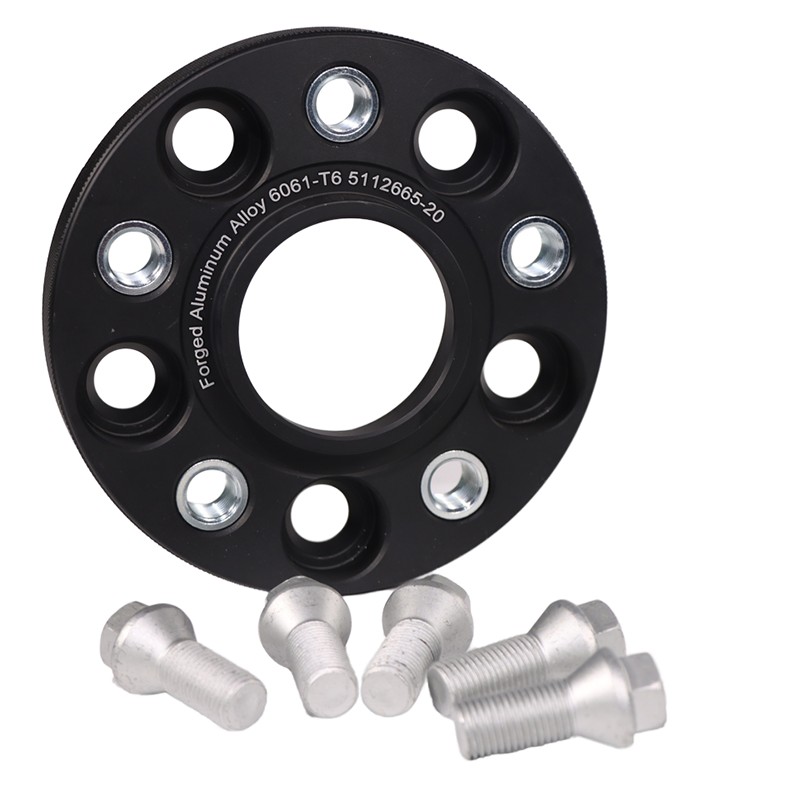
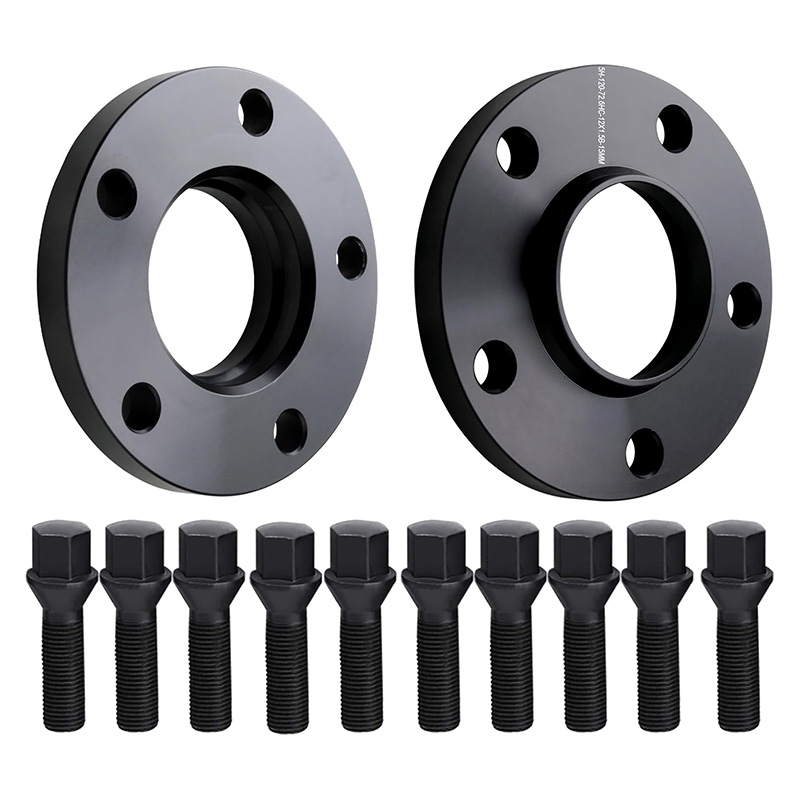
- Hardware: stud or bolt, thread pitch, usable length, seat type, head clearance and included nuts or bolts.
- Commercial detail: quantity per SKU, finish, logo, labeling, retail pack, master carton and destination.
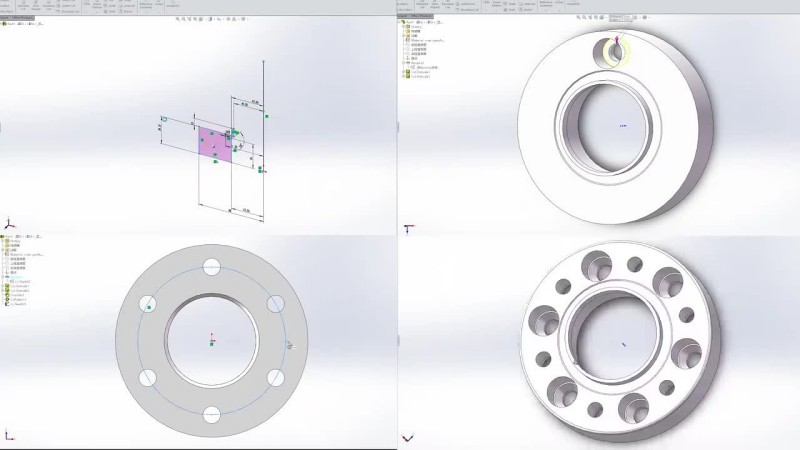
3. Ask for a quote you can compare line by line
Two prices are comparable only when they include the same alloy, hardware, finish, marking, inspection, packaging, quantity and trade basis. Ask suppliers to return the RFQ as a completed table rather than replying with a single total.
| Quote field | Why it belongs in the comparison | What to clarify |
|---|---|---|
| Unit and set definition | “Piece,” “pair” and “four-wheel kit” produce different totals | Exact quantity in every retail pack and carton |
| Material and condition | Part geometry alone does not define the raw material | Alloy/grade stated on drawing and supporting document requested |
| Included hardware | Studs, nuts and extended bolts can change cost and pack contents | Thread, seat, grade/marking, finish and quantity |
| Sample and tooling | Custom development may have separate one-time charges | Sample quantity, drawing fee, tooling ownership and revision rights |
| Lead time and shipping basis | Timing and freight allocation affect landed cost | Sample time, production time, Incoterm and named port/place |
| Inspection evidence | The buyer needs records tied to the ordered lot | Dimensions, sampling plan, material/finish records and report format |
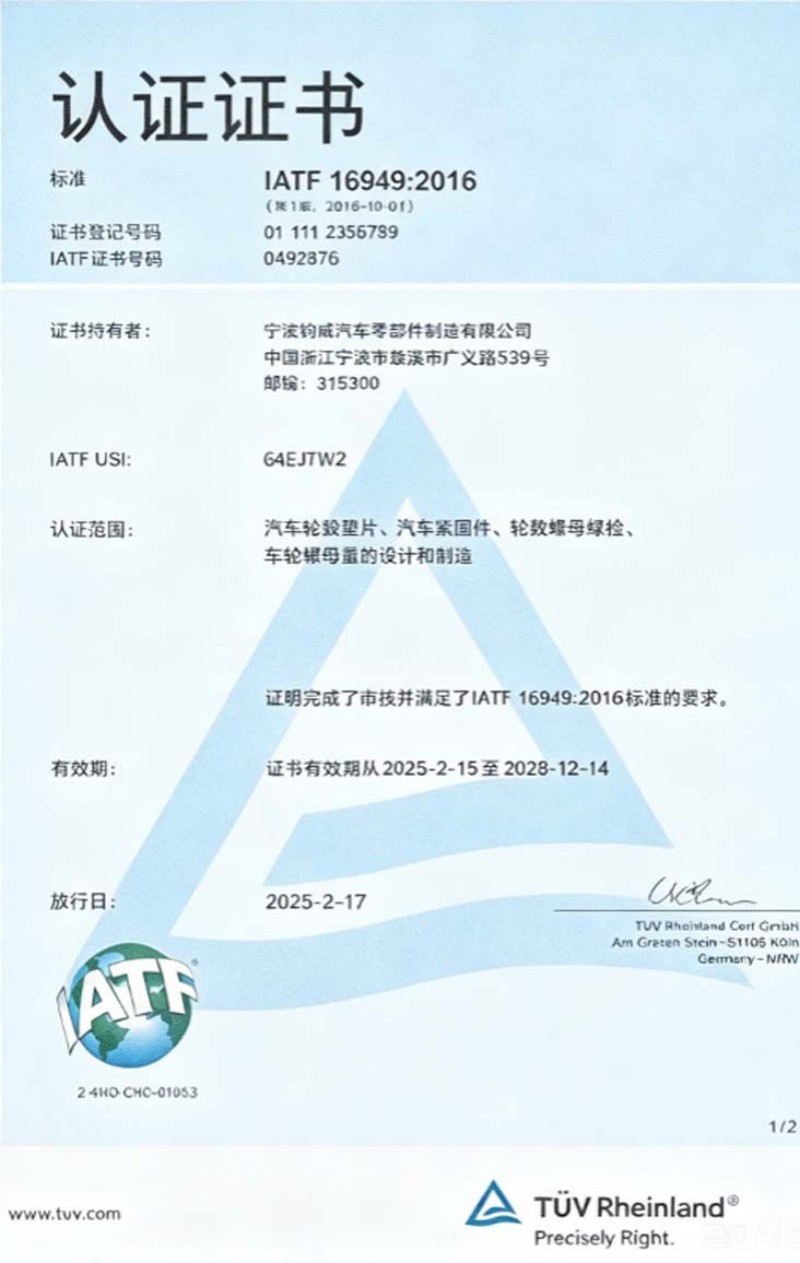
Do not assume a certification logo, alloy name or test phrase applies to every SKU. Ask the supplier to connect the requested evidence to the legal company, production site, product scope and lot being purchased.
4. Check whether the supplier can control the critical features
A useful supplier review follows the part through drawing, material, machining, hardware, surface treatment, marking, packing and final inspection. Ask who owns each process, which operations are subcontracted, how revisions are controlled and how a finished lot is traced back to inspection records.
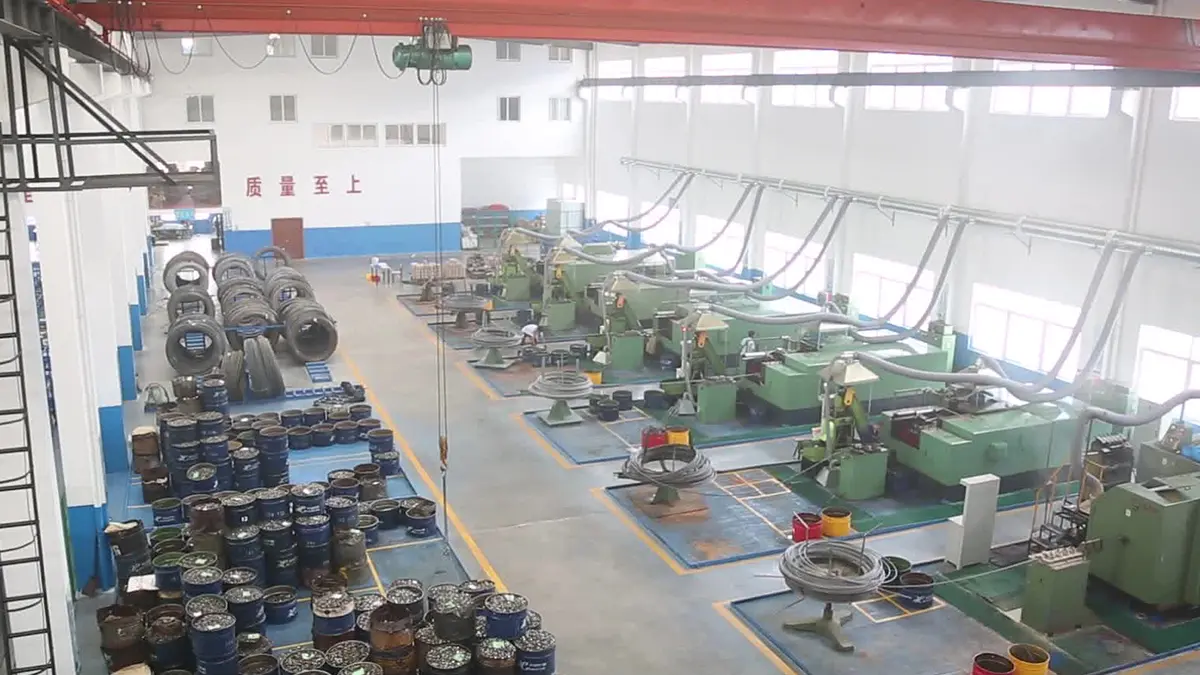
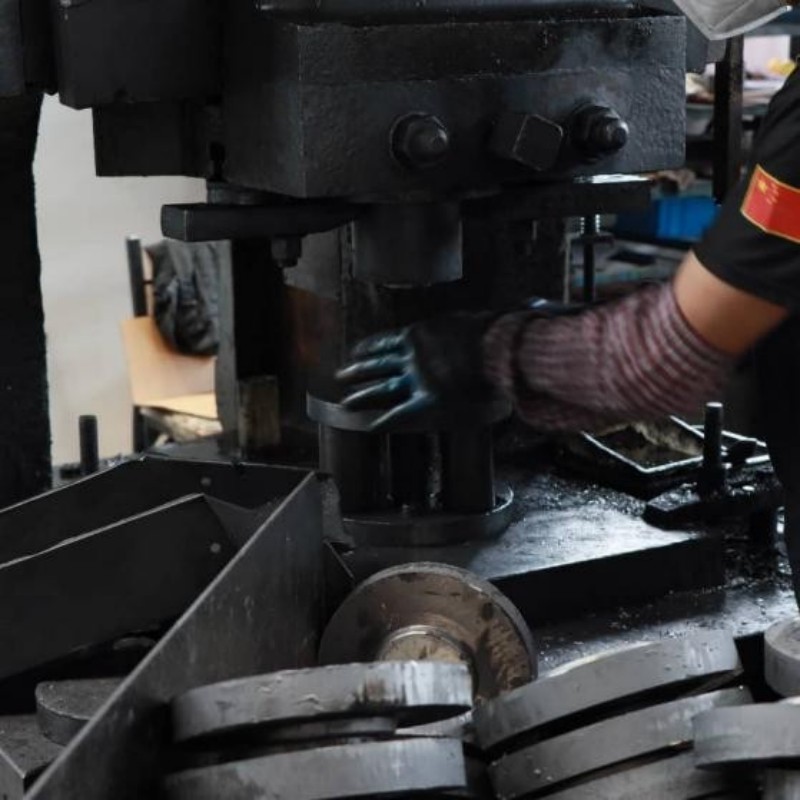
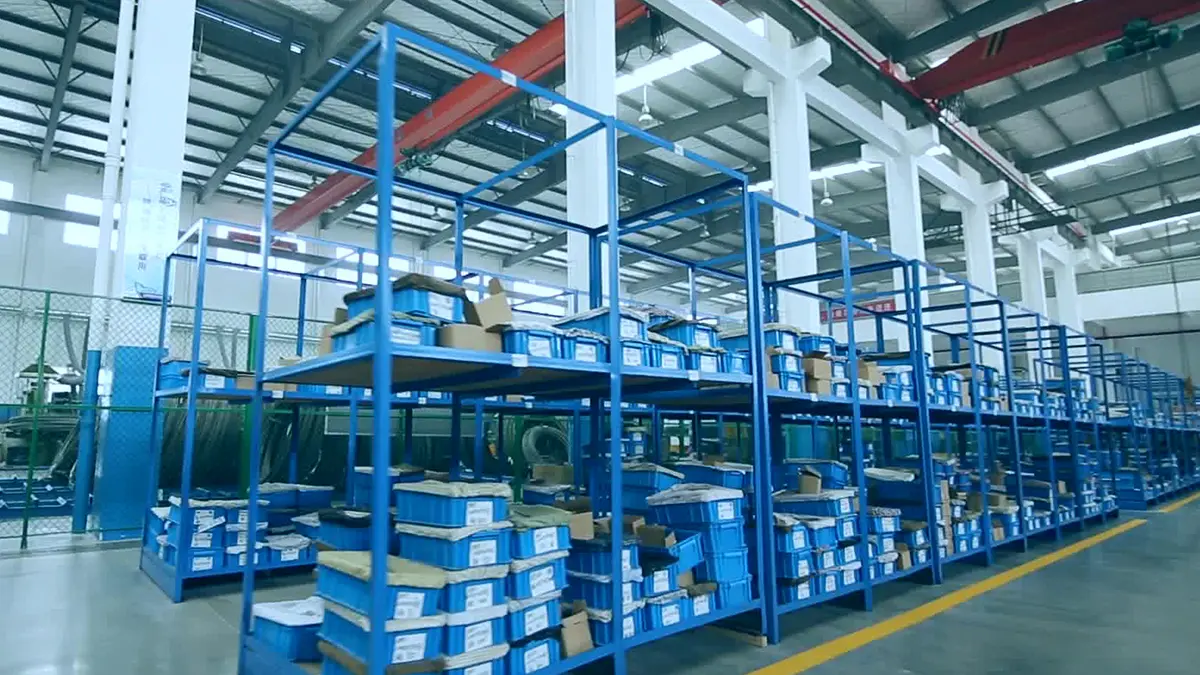
For a consequential order, request current certificates, reports, samples or an audit appropriate to your market and product. Make the purchase order reference the evidence you actually approved.
5. Approve a drawing and sample before bulk production
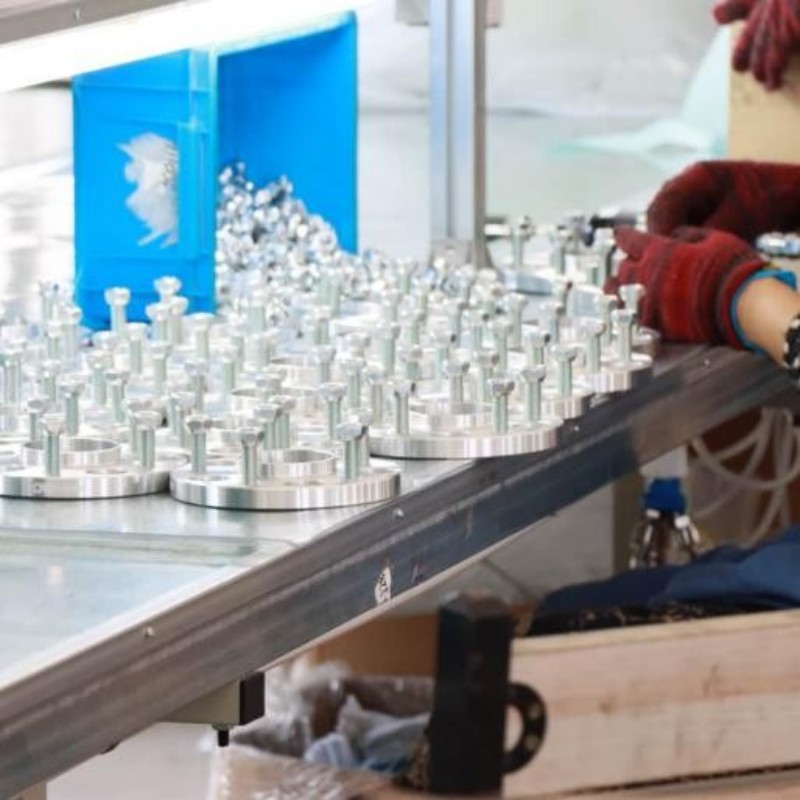
The approved sample should represent the production specification, including hardware and finish. Check that both mounting faces sit flat, the hub and wheel interfaces locate correctly, the holes and chamfers match the drawing, and the supplied fasteners use the correct thread and seat.
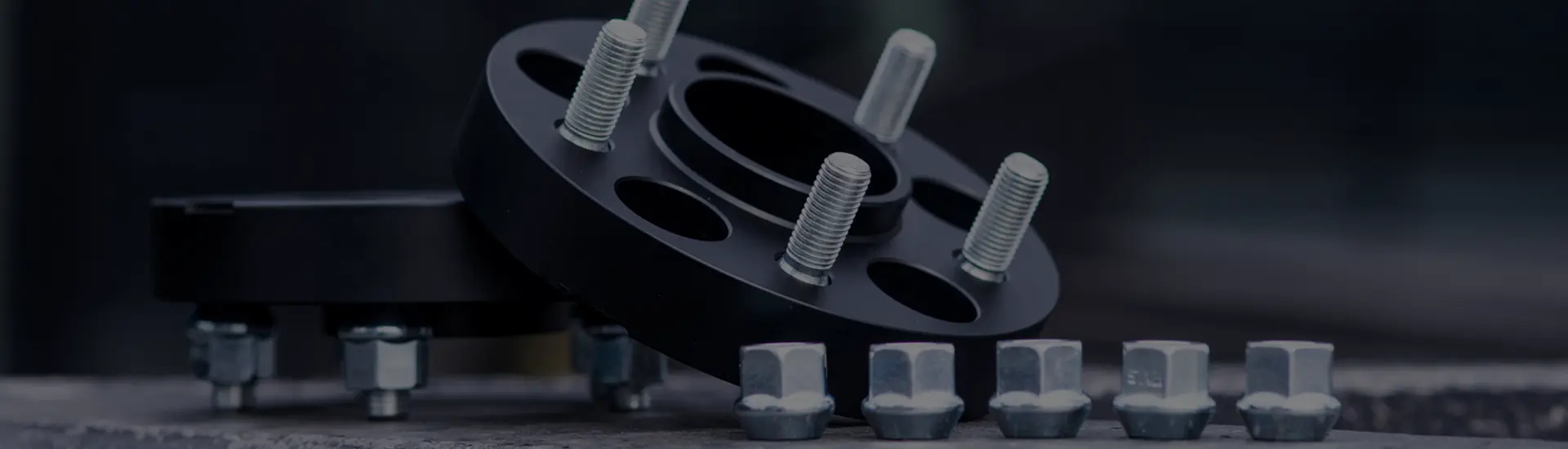
For bolt-on designs, also verify original-stud clearance inside the wheel pockets. For slip-on designs, verify usable thread engagement with the specified longer hardware. Fitment approval should be performed on the intended vehicle and wheel combination by a qualified installer.
6. Define branding and packaging as controlled specifications
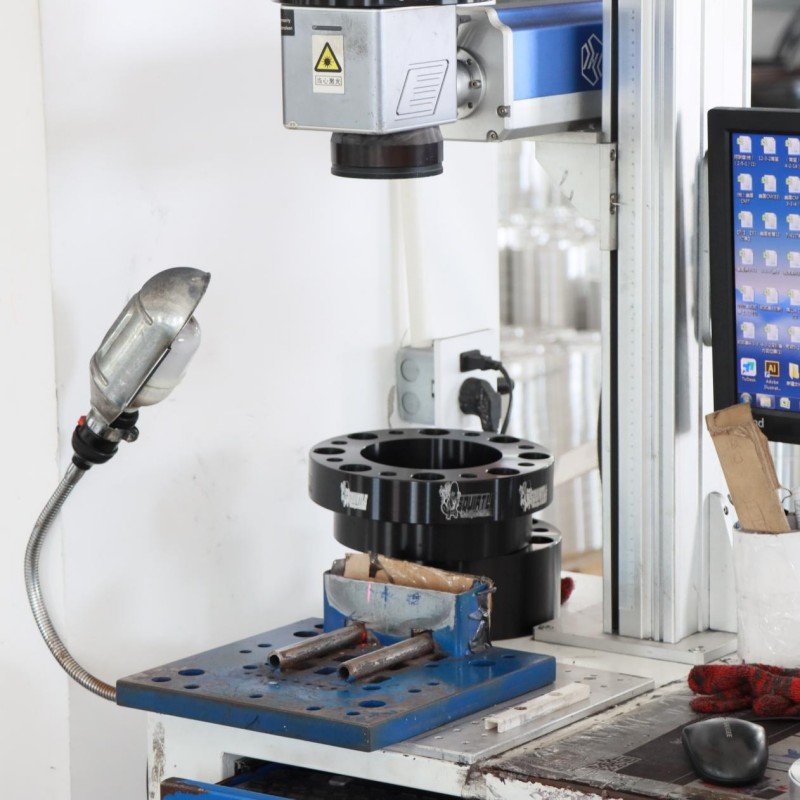
J&W supports private-label options including laser-etched logos, custom part numbers and branded retail packaging. Supply vector artwork, approved colors, barcode data, label language, warning text, pack quantity and carton marks. State who approves artwork and what happens when a revision changes. Buyers can also review the available wheel spacer range before preparing the SKU list.
Ask for a complete packing sample before mass packing. The sample should show the spacer set, every fastener, instructions or labels, protective material, retail box and outer carton. A correct part in the wrong box becomes the wrong SKU in a distributor’s warehouse.
7. J&W Auto Parts bulk-order capabilities
J&W handles both standard fitments and full custom OEM projects. Use these figures as the starting point for RFQ planning; the quotation confirms the final MOQ, drawing, lead time, inspection requirements and packaging for each SKU.
| RFQ factor | J&W capability | Buyer action |
|---|---|---|
| Company identity | Ningbo Junwei Auto Parts Co., Ltd.; R&D, production and sales | Match the quotation, invoice and requested certificates to the contracting entity |
| Location | No.539 Guangyi Road, Guanhaiwei Town, Cixi, Ningbo, Zhejiang, China | Use the address when arranging an audit, sample pickup or supplier verification |
| Product range | Wheel spacers/adapters, wheel lug nuts and wheel lug bolts, with other wheel-accessory categories on the site | List the exact product family and SKU count in the inquiry |
| Custom options | Dimensions, PCD conversions, laser logo, custom part numbers and retail packaging | Attach drawings and artwork; request written confirmation for the selected option |
| Response target | Within 24 hours after receiving the inquiry | Provide a named buyer and complete RFQ so the reply can be specific |
8. Copy this wheel spacer RFQ template
Bulk wheel spacer quotation request
Buyer/company:
Country, channel and contact person
Order path:
Existing SKU / private label / custom fitment
Vehicle application:
Make, model, year, trim and axle
Wheel and tire:
Width, offset, center bore and tire size
Hub data:
PCD, hub diameter, lip height and chamfer
Spacer:
Slip-on/bolt-on, thickness, wheel-side lip, outer diameter
Hardware:
Thread, seat, usable length, grade/marking and included quantity
Finish/branding:
Color, logo, part number and label artwork
Quantity:
Sample quantity and production quantity per SKU
Delivery:
Destination, requested Incoterm and target date
Attach photos of the hub, wheel back pad and existing hardware, plus a dimensioned drawing when the project is custom. If any value is not yet known, identify it as “supplier to confirm” rather than leaving the field silently open.
Bulk wheel spacer purchasing FAQ
What information is needed to quote a bulk wheel spacer order?
Send the vehicle application, axle, wheel data, PCD, vehicle hub diameter, wheel center bore, thickness, spacer type, thread and seat details, hardware requirement, finish, branding, packaging and quantity per specification.
What is J&W Auto Parts’ MOQ for wheel spacers?
Standard specifications using existing tooling start at 50–100 pieces per specification. Full custom OEM projects with proprietary branding, laser etching or tailored packaging typically require 200–500 pieces. The exact MOQ is confirmed with the SKU and quotation.
Should a distributor approve a sample before bulk production?
Yes. A physical or controlled pre-production sample lets the buyer check the drawing, mounting faces, center location, hardware, finish, marking and packaging before approving the production lot.
Can a vehicle model alone define the correct wheel spacer?
No. Model year, trim, axle, brake package, wheel dimensions, tire size and modifications can change the required geometry. The RFQ should contain measured or verified fitment data.
How can buyers contact J&W Auto Parts for a bulk quotation?
Use the online inquiry form, email admin@jwautopart.com, or contact WhatsApp and telephone +86 139 6824 8530. The response target is within 24 hours.
Send a complete RFQ to J&W Auto Parts
For a standard or custom wheel spacer quotation, send your fitment sheet, target quantity per specification, finish, branding, packaging and destination. Standard designs using existing tooling start at 50–100 pieces per specification; full custom OEM projects typically require 200–500 pieces.
- Company: Ningbo Junwei Auto Parts Co., Ltd.
- Email: admin@jwautopart.com
- WhatsApp / Tel: +86 139 6824 8530
- Address: No.539 Guangyi Road, Guanhaiwei Town, Cixi, Ningbo, Zhejiang, China
Fitment note: Final dimensions, hardware, packaging, MOQ and delivery terms are confirmed for each SKU in the quotation and purchase order. Vehicle-specific fitment still requires an approved drawing, sample verification and professional installation.