
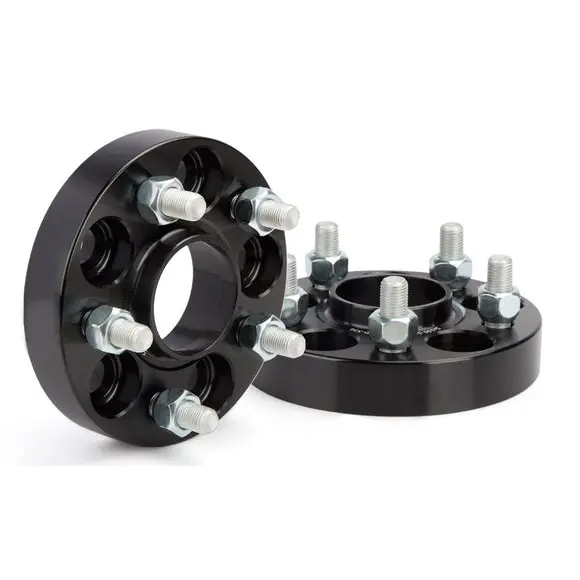
Same nominal position, different assembly
A lower-offset wheel can place the tire where a spacer would, but only under a narrow set of assumptions. Width, spoke shape, hub fit and hardware decide whether the two options are actually comparable.
ET45 - 15 mm = ET30 effective
The marked wheel offset remains ET45. The spacer changes its installed position.
ET30 without spacer
The nominal wheel centerline can match, but the parts and mounting stack do not.
They can match wheel position without being the same solution
If wheel width stays unchanged, a spacer and an equal reduction in wheel offset move the wheel centerline outward by the same nominal distance. That is the only simple equivalence.
A 15 mm spacer on an ET45 wheel gives an effective offset of about ET30. A same-width ET30 wheel can occupy the same nominal lateral position. It does not follow that the wheel spokes, barrel, hub interface, fasteners, mass or approved application are equivalent.
Wheel offset is the distance between the wheel centerline and its hub-mounting face. A spacer moves that mounting face outward relative to the hub, but it does not alter the number cast or stamped into the wheel. Calling the result "effective offset" keeps the marked wheel specification separate from the installed position.
This comparison also assumes the same tire dimensions and a wheel whose nominal width means the same thing. It is a planning calculation. Final clearance still has to be measured on the actual vehicle through steering and suspension movement.
Spacer thickness subtracts from effective offset for the same wheel
Use millimetres for both values:
Effective offset
effective ET = wheel ET - spacer
An ET45 wheel with a 15 mm spacer sits approximately like an ET30 wheel of the same width. The wheel and tire move outward by about 15 mm.
Required spacer
spacer = wheel ET - target ET
To move the same ET45 wheel to an ET30-equivalent position, the arithmetic gives 15 mm. That number is not automatic fitment approval.
Swipe the diagram to compare the two mounting arrangements.
The arithmetic is also covered in the offset section of the wheel spacer fitment guide. Use it to compare a known wheel before moving to the remaining fitment checks.
Matching ET30 does not match the edges when one wheel is wider
Offset describes the mounting face relative to the wheel centerline. It does not include width. If the replacement wheel is wider, half of the added width extends toward the suspension and half extends toward the fender before offset is considered.
8.0-inch ET45 + 15 mm spacer
effective position = ET30
This becomes the reference. Keep its wheel and tire dimensions unchanged for the comparison.
8.5-inch ET30 wheel
0.5 in × 25.4 = 12.7 mm wider
With equal effective offset, nominal rim edges extend about 6.35 mm farther on each side than the 8.0-inch wheel.
The example does not predict the tire's exact sidewall position. Nominal wheel width is measured at the bead seats, while the outer wheel shape and tire section vary. Use the calculation to screen options, then measure the actual wheel, tire, suspension and body clearances.
An ET30 wheel is not automatically a substitute for another ET30-equivalent setup. Width, tire size and shape determine where the inner and outer limits actually land.
A spacer changes the mounting stack; another wheel changes the wheel itself
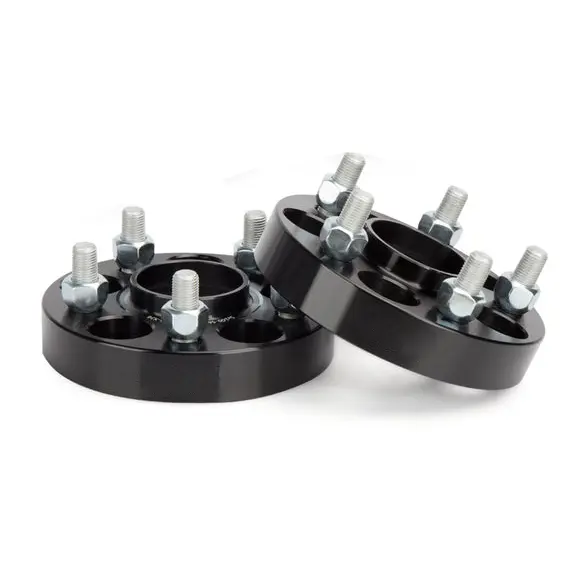
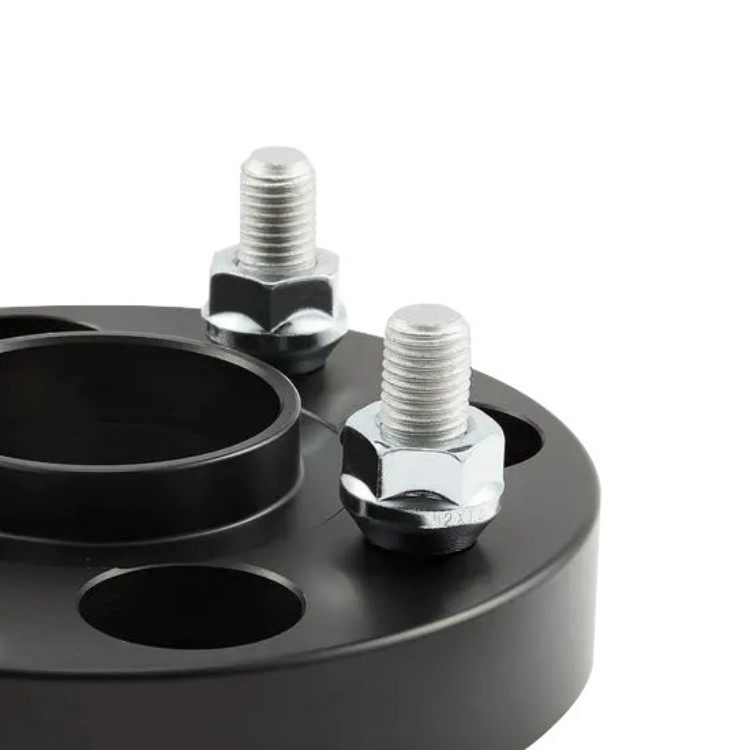
Mounting interfaces
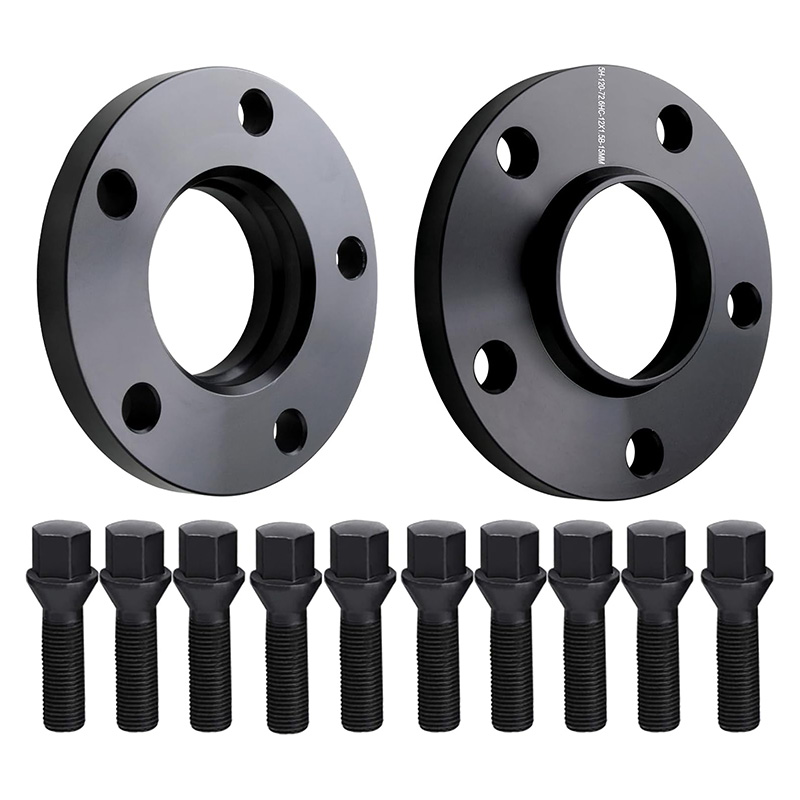
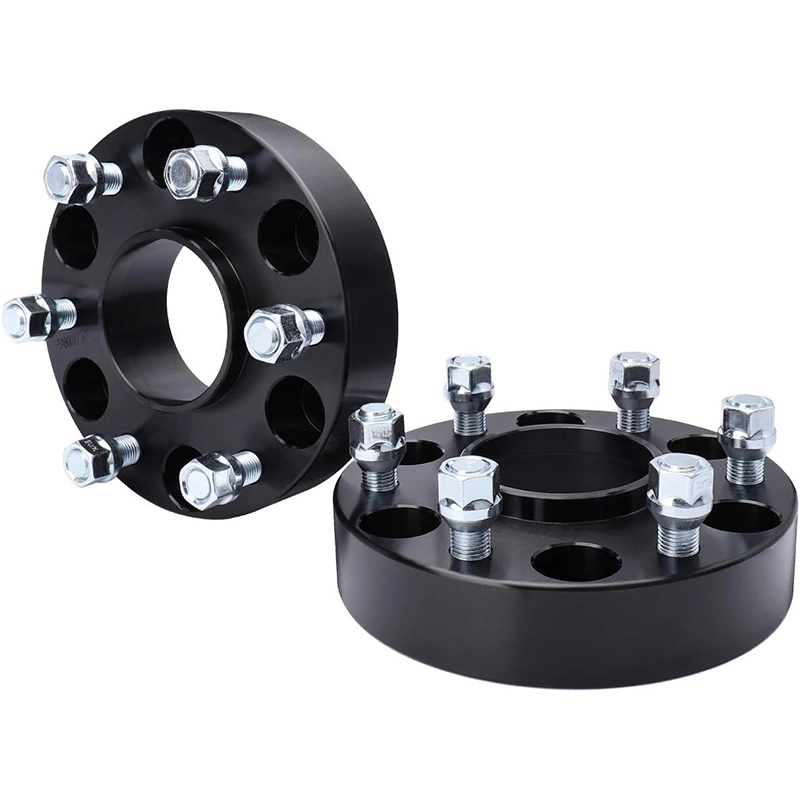
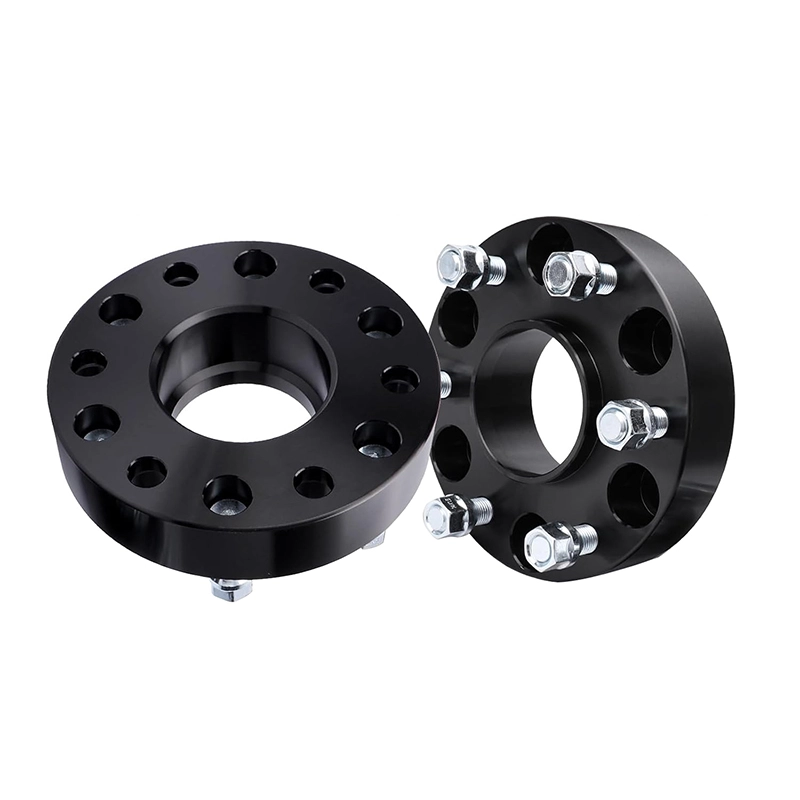
A spacer introduces another precision part between hub and wheel. A bolt-on type can also create two fastening joints. A replacement wheel mounts through its own pad, subject to the wheel and vehicle instructions.
Hub and center bore
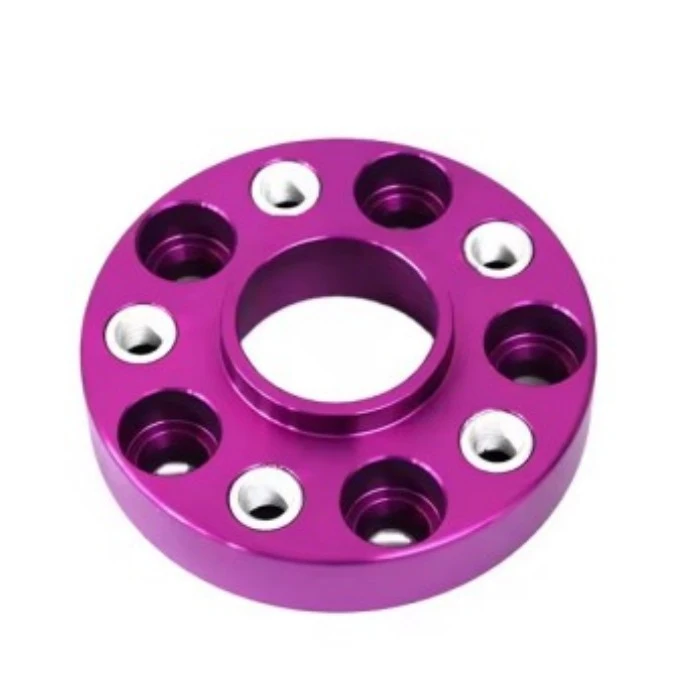
The spacer needs compatible vehicle-side and wheel-side centering geometry. A wheel needs the correct center bore or an approved centering arrangement. Equal offset does not make these interfaces interchangeable.
Spoke and barrel geometry
Two wheels with the same width and offset can have different spoke profiles, mounting-pad thicknesses and barrel shapes. Those details control brake-caliper and suspension clearance.
Fastener system
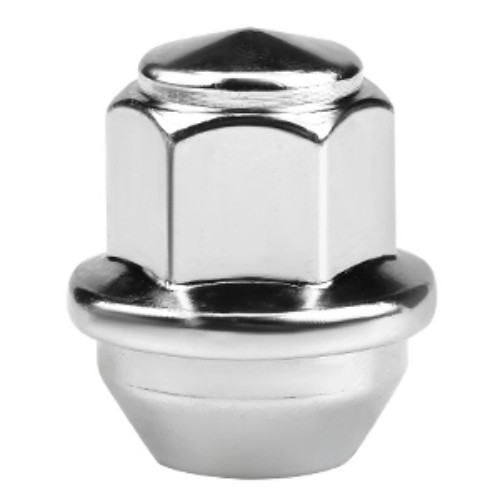
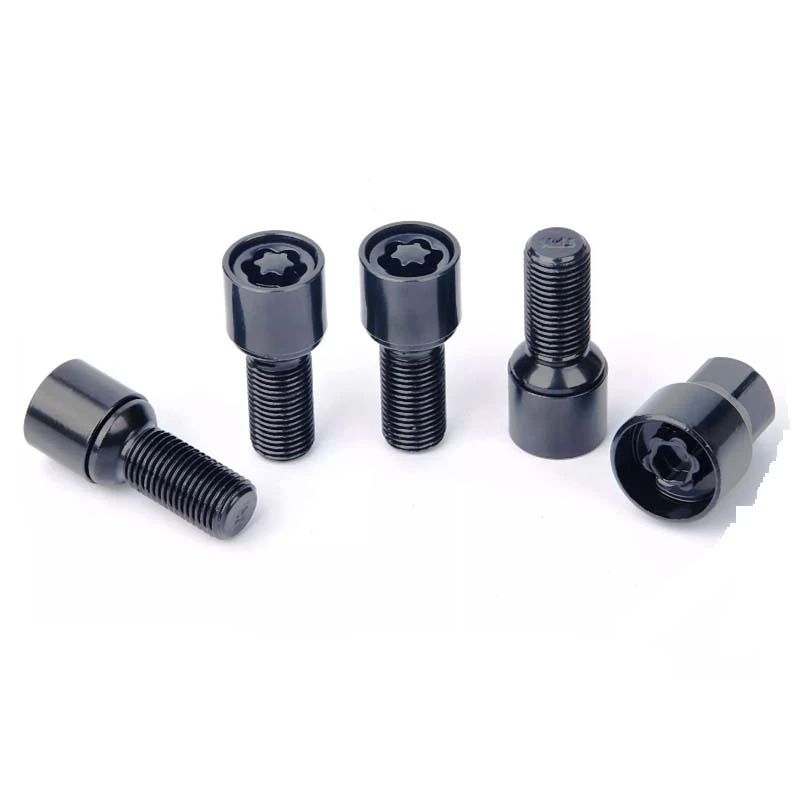
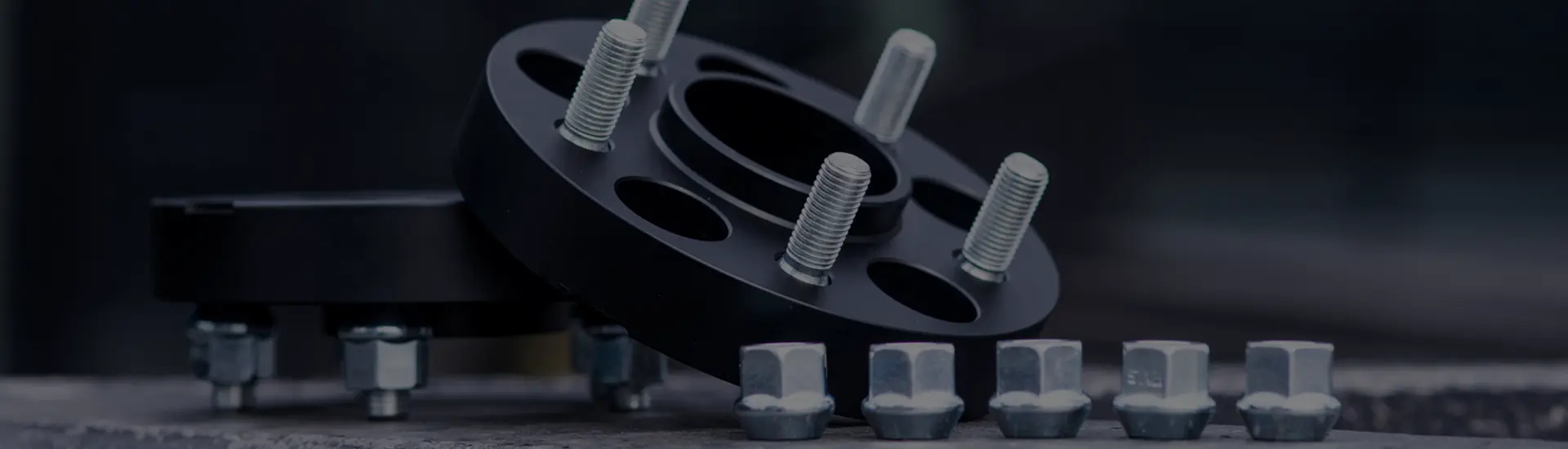
Slip-on spacers may require longer bolts or studs. Bolt-on spacers have inner and outer hardware. Another wheel may require a different seat profile even when its PCD matches.
Mass and its location
A spacer adds rotating mass near the hub. Another wheel can be lighter or heavier, and its mass can sit at a different radius. The offset number contains none of this information.
Approval and service
Vehicle, wheel and spacer instructions may limit applications and define separate inspection procedures. A geometry equation cannot replace those documents.
For bolt-on systems, the inner hardware may be hidden once the wheel is installed. The wheel spacer torque guide explains why the spacer-to-hub and wheel-to-spacer joints must be identified separately.
Outer position can match while brake and suspension clearance differ
Swipe the table to see all columns.
| Clearance area | What a spacer changes | What another wheel can change | Required check |
|---|---|---|---|
| Fender and body | Moves the existing wheel and tire outward by about spacer thickness | Changes position through offset, plus inner and outer edges through width | Measure static gap, then check steering and suspension travel. |
| Suspension side | Usually creates more space between the existing wheel/tire and inboard components | Lower offset may add space, while extra width can consume part or all of it | Calculate both changes and confirm physically. |
| Brake caliper to spoke | Moves the existing spoke profile away from the caliper | A different spoke profile may clear better or worse at the same offset | Use a brake template or measured wheel profile. |
| Brake caliper to barrel | Does not change the existing barrel diameter or contour | A new wheel can have a different barrel shape and diameter | Check radial and axial caliper clearance. |
| Hub and mounting pad | Adds spacer bore, lip, chamfer and face-contact requirements | Changes the wheel's center bore, pad and recess geometry | Dry-fit every mating surface without using fasteners to pull it flat. |
This is why a spacer can solve an axial spoke-to-caliper problem but cannot repair a wheel barrel that is too small. The full brake-caliper clearance guide separates those contact zones before thickness is selected.
Moving the tire contact patch outward also changes its relationship to the steering axis on a steered axle. The amount depends on the vehicle geometry and tire. Use the scrub-radius explanation for that calculation. Do not treat equal outer appearance as equal steering behavior when wheel width, tire or suspension geometry has changed.
Choose from a measured requirement, not a preference for one part
Neither route is universally better. The decision changes with the wheel you already own, the available approved parts, the amount of correction, hardware access and the real clearance problem.
Swipe the table to see all columns.
| Situation | Spacer route may be practical when | Another wheel may be practical when | Do not proceed until |
|---|---|---|---|
| Keep an existing wheel set | A measured outward shift solves the problem and a vehicle-specific spacer system is available | The existing wheel has another incompatibility that a spacer cannot correct | Hub fit, PCD, hardware, clearance and instructions all agree. |
| Selecting wheels before purchase | A small application-approved correction is still required after the desired wheel is chosen | A wheel with the required width, offset, load approval and brake profile is available | The complete wheel and tire envelope has been compared. |
| Brake upgrade | The existing spoke needs a measured axial shift and the barrel already clears | A different spoke and barrel design solves both axial and radial clearance | A brake template or physical measurement verifies the actual parts. |
| PCD mismatch | An engineered adapter, not a simple spacer, covers both vehicle and wheel patterns | The wheel is supplied in the correct PCD | Centering, fasteners, thickness and legal approval are resolved. |
| Unknown vibration | Not a diagnostic shortcut | Not a diagnostic shortcut | The original wheel, tire, hub, mounting faces and balance have been inspected. |
If PCD, center-bore geometry, fastener seat, load approval or physical condition is wrong, moving the wheel outward does not correct the underlying mismatch.
Record the baseline, spacer option and wheel option separately
- Fix the vehicle baselineRecord the axle, hub PCD, hub pilot, brake package, suspension condition and body clearances.
- Record the current wheel and tireUse wheel width, diameter, marked offset, center bore, PCD, fastener seat, tire size and actual measured position.
- Define the problem in millimetresState the required inner clearance or target outer position. Do not start with a preferred spacer thickness.
- Build the spacer optionKeep the current wheel width and offset, subtract spacer thickness for effective offset, then add centering and hardware requirements.
- Build the wheel optionCalculate edge changes from both width and offset. Add the new wheel's spoke, barrel, center bore, load and fastener data.
- Compare worst-case clearanceCheck steering angle, suspension travel, tire shape, brake clearance and any original-stud or wheel-pocket projection.
- Verify the controlling instructionsResolve application limits, hardware, torque, inspection and local road requirements before installation.
- Dry-fit and inspectThe chosen assembly must sit flat, center correctly and rotate without contact before road use.
The measurement guide provides the physical checks for hub, wheel, fender and hardware. If the aim is only to understand what the component changes, start with what a wheel spacer does.
Wheel spacer and offset wheel FAQ
Is a 15 mm wheel spacer the same as 15 mm less offset?
For the same wheel width, adding a 15 mm spacer moves the wheel centerline to the same nominal lateral position as reducing wheel offset by 15 mm. The two assemblies still differ in wheel construction, mounting interfaces, hardware and possible brake or hub clearance.
Do wheel spacers change the offset marked on the wheel?
No. The wheel's stamped or cast offset stays the same. A spacer changes the installed position, so effective offset for a same-wheel comparison is the marked offset minus spacer thickness.
Does the same effective offset guarantee the same fender clearance?
Only when wheel width, tire dimensions and relevant shapes are also equivalent. A wider wheel changes both inner and outer edge positions even when the effective offset number matches.
Can a lower-offset wheel provide more brake clearance than a spacer?
It can, but offset alone cannot predict that result. Spoke profile, mounting-pad thickness and barrel shape control caliper clearance. A template or physical measurement is needed for the exact wheel and brake package.
What should be compared before choosing a spacer or another wheel?
Compare wheel width and offset, tire size, inner and outer clearance, hub and center-bore geometry, PCD, fastener system, brake envelope, load approval and the instructions that cover the vehicle and parts.
Send two complete options, not two offset numbers
Provide the current wheel and tire, the proposed spacer, the alternative wheel, hub data, brake package and measured clearances. Then the inner edge, outer edge and mounting system can be compared on the same basis.
Safety note: The calculations on this page compare nominal geometry. They do not approve a wheel or spacer for a vehicle. Verify the exact application, clearances, load requirements, hardware, torque instructions and local road rules with qualified professionals before installation.